
Lifestyle
Walks on the Costa del Sol: the mountains behind the beach
15 September 2026 · 6 min read
Reviewed by Thomas Kjærrgård
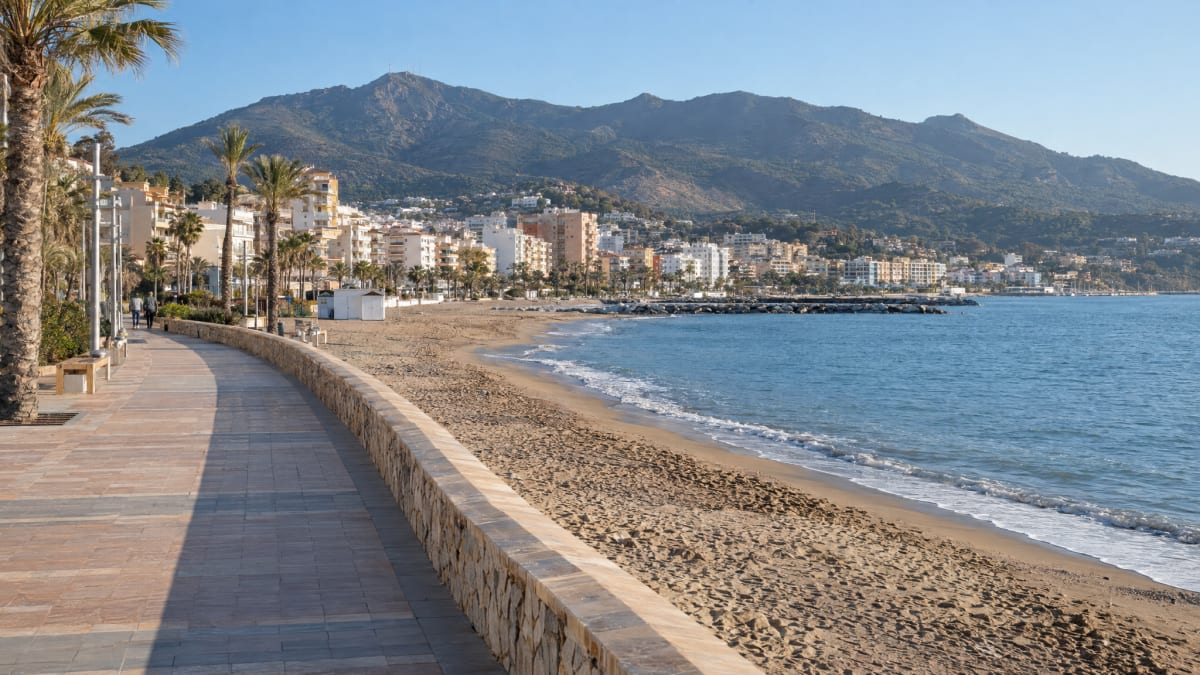
If walking is part of the life you want in Spain, look beyond the sea view when choosing your base. Behind the Costa del Sol are pine woods, limestone mountains and the routes of Sierra de las Nieves National Park. Along the shore, promenades connect with paths and wooden boardwalks. The useful distinction is between a walk you can fold into an ordinary day and a mountain outing that needs time, equipment and the right weather.
The mountains behind your coastal base
Pine woodland and Mediterranean scrub give you a different walking setting from the shore. Sierra de Mijas has signposted walking routes through both, making it an area to explore if you want the mountains to feature in your week. Farther west, Sierra Bermeja has a reddish-brown colour caused by the oxidation of its peridotite rocks. Los Reales de Sierra Bermeja is a protected natural area in Casares and Estepona. Sierra de las Nieves National Park offers an extensive network of walking and mountaineering routes within reach of the Costa del Sol, Málaga and Ronda. It contains the highest mountains in western Andalucía, with regular snowfall. Its landscape also reflects working rural life: sheep and goat grazing, beekeeping and cork harvesting, including cork-oak woods around Istán and Benahavís. For walking near Marbella, Sierra Blanca and Canucha bring rugged mountain terrain into the picture. These are demanding mountains, despite their appearance from the coast. October to May is the recommended visiting period; avoid summer visits. Behind Málaga, Montes de Málaga Natural Park offers Aleppo-pine woods and walks with traces of the area's agricultural past. The Torrijos trail follows a stream and riverside woodland past former cultivation and buildings linked to wine production; Lagar de Torrijos has an ecomuseum about wine, olive oil and bread making. To the east, the Sierras de Tejeda, Almijara y Alhama Natural Park gives walking near Nerja a limestone mountain setting, including the valleys of the Chíllar and Higuerón.
By the sea: coastal paths, dunes and cliffs
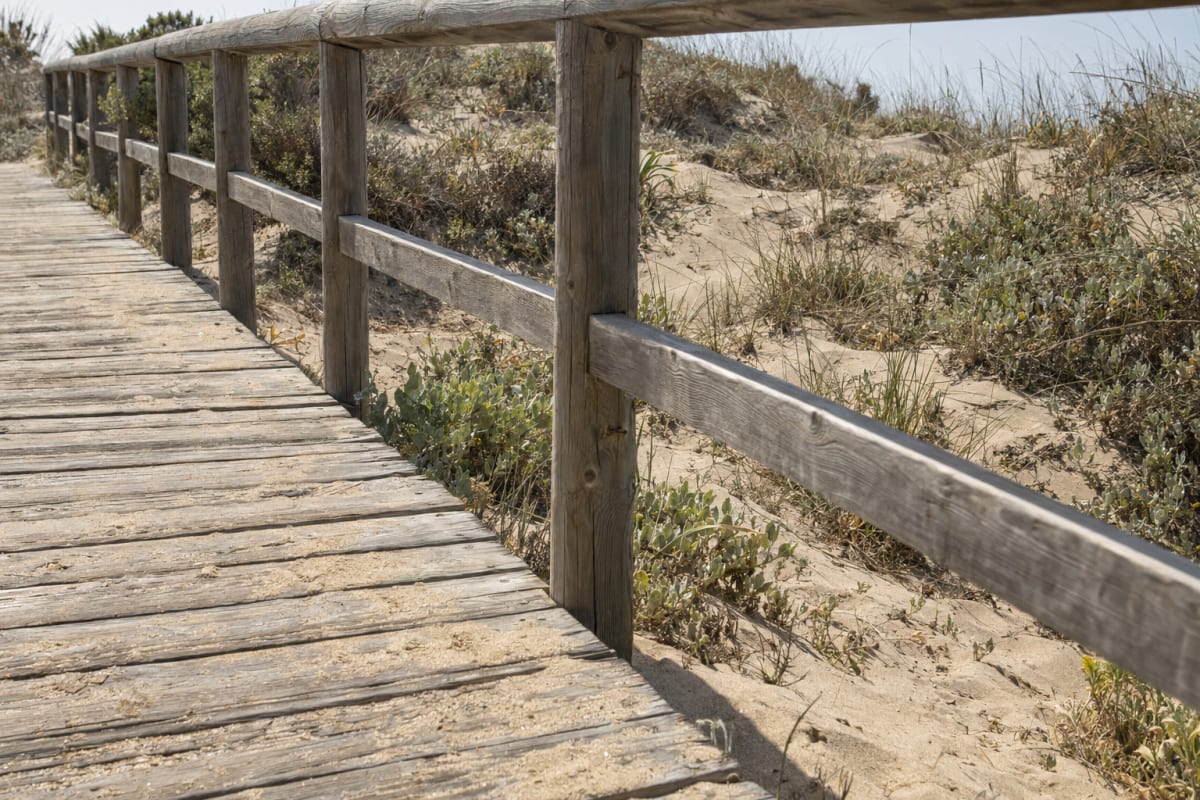
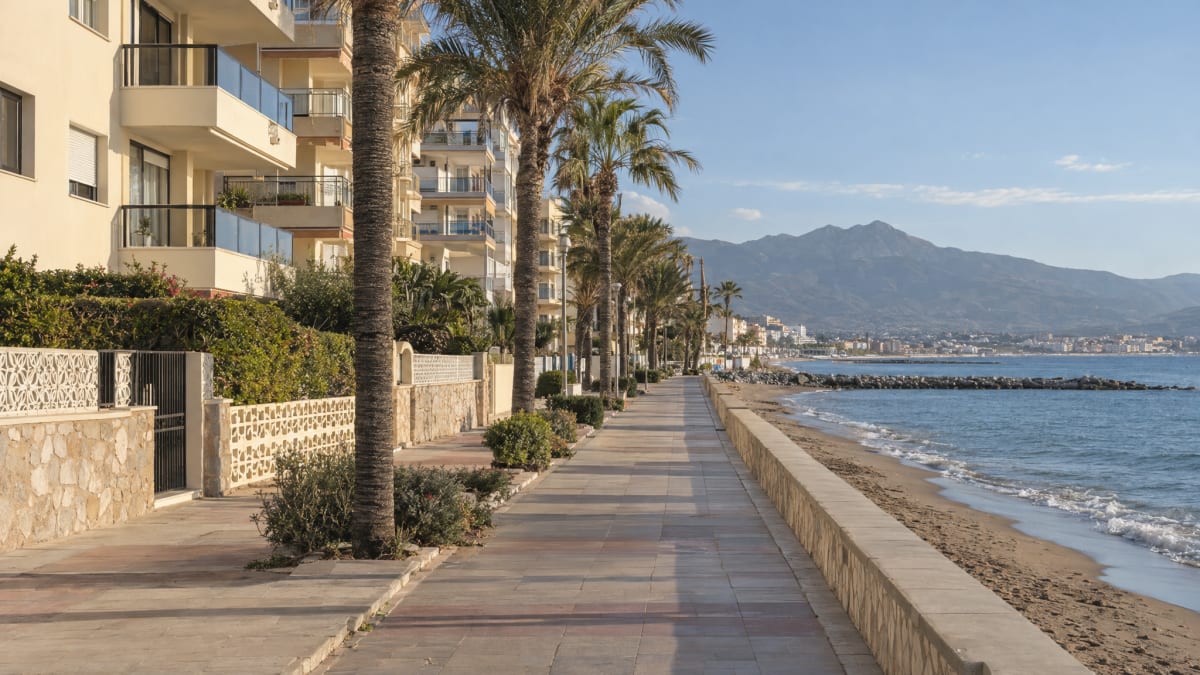
For a shorter walk between other plans, the coast offers promenades, tracks and paths rather than a mountain itinerary. The Senda Litoral project links these existing stretches with new connections, with the aim of creating a route from Manilva to Nerja covering approximately 180 kilometres. Choose a local stretch and check its connections before setting out. On Marbella's eastern coast, wooden boardwalks carry the Senda Litoral through the protected Dunas de Artola. This is a different way to spend time beside the sea: walking through a dune landscape rather than staying on an urban promenade. At the eastern end of the Costa del Sol, the protected Acantilados de Maro-Cerro Gordo introduces a cliff landscape around Nerja. Together, these coastal settings give you useful variety when comparing places to live: a promenade for an everyday walk, dunes for a change of surroundings, or cliffs as the focus of an outing.
Caminito del Rey and the Gran Senda de Málaga
Set aside a dedicated outing for the Caminito del Rey. Its total route is 7.7 km, comprising 4.8 km of access paths and 2.9 km between the walkway entrance and exit, including Valle del Hoyo. Allow between 3 and 4 hours. You enter in the north at Ardales and finish in the south at Álora; a shuttle service links the northern access and El Chorro, which matters when planning your return. Book through the official Caminito del Rey reservation platform. Choose Comprar entradas or Ver disponibilidad, then select a date, available time and number of tickets, up to 10 per person. Register and validate your account by email; after payment, personalise every ticket in your account before downloading it. Arrive at the entrance at least 30 minutes before your slot. Children must be at least 8 and have official proof of age. Pets, flip-flops and walking poles are not permitted. The Gran Senda de Málaga is a different proposition: a network you can return to over many outings. The GR 249 has 35 stages and 6 variants. After four predominantly coastal stages, stage 5 heads from Nerja towards Frigiliana, entering the Sierras de Tejeda, Almijara y Alhama Natural Park. Stage 5 starts at Cueva de Nerja, near Maro, and finishes at Plaza del Ingenio in Frigiliana. It is a linear itinerary of 14.7 km, with an estimated walking time of 5 h 5 min. If you want to build longer walks into regular stays, this gives you a concrete starting point: choose a stage, allow the walking time and arrange how you will get back from the finish.
Making walking part of your year
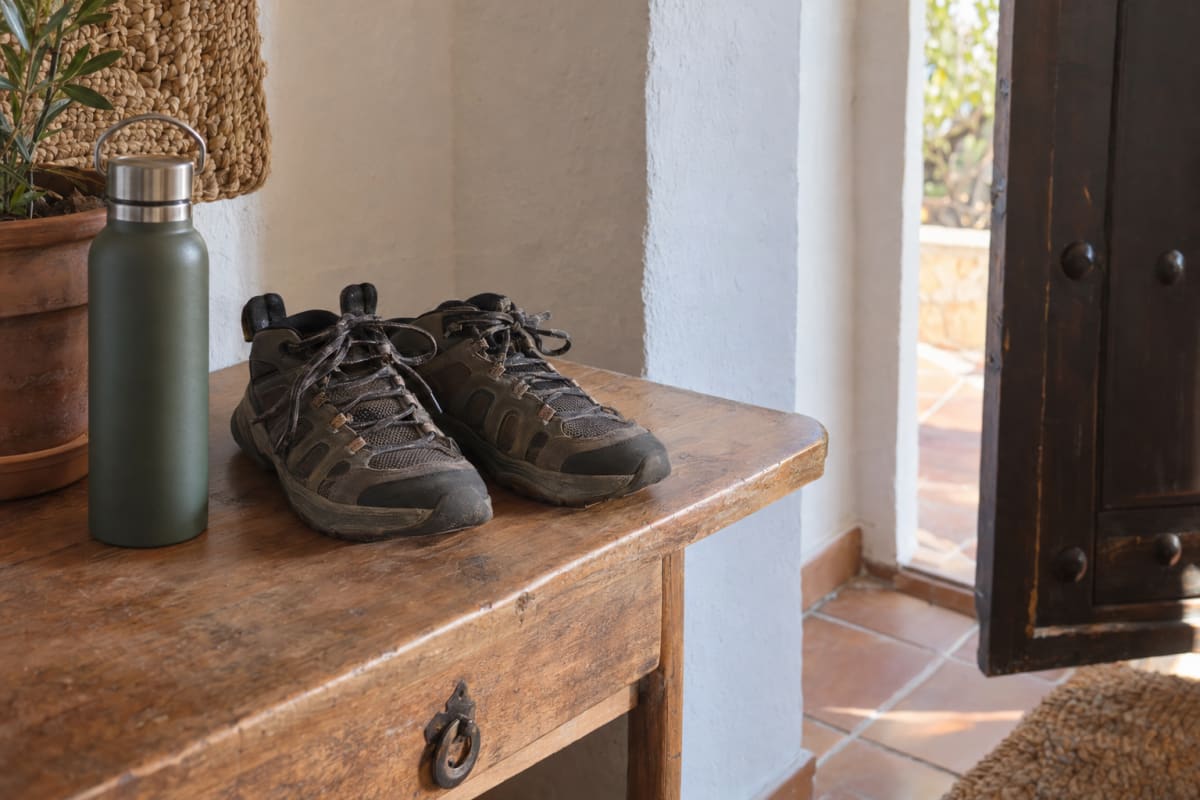
Plan your walking around the season rather than keeping the same routine all year. Spring is particularly suited to Sierra de Mijas, when the mountains are in flower and temperatures are not yet very high. Winter can bring snow to Sierra de las Nieves, while summer heat calls for a different approach from the cooler months. Water belongs in your bag in every season. Rain also changes the routes. Autumn and spring downpours can make river crossings dangerous, particularly in the Serranía de Ronda and on the Estepona to Marbella coastal stage. Before a mountain outing, check the weather, current access restrictions and the rules for the protected area you intend to visit. Andalucía's high forest-fire-risk period runs from 1 June to 15 October. During this period, the Junta de Andalucía prohibits fires for preparing food, including barbecues in recreational areas and equipped camping areas. Motor-vehicle access in forest areas and areas of forest influence is also restricted, with specified exceptions. These rules affect how you reach and use the countryside, as well as what you take for lunch. For Gran Senda outings, carry at least two litres of water, food, route information and a charged phone; the emergency number is 112. Leave plants and animals undisturbed, keep dogs on a lead, take rubbish away and use designated parking. When you next visit an area you are considering as a home, make time for both a nearby coastal walk and a suitable inland route. That is a practical way to discover which surroundings you would want to use week after week.


Stay informed on the Costa del Sol
Subscribe to get the latest posts sent to your email
By subscribing, you agree to receive Solkysten’s newsletter by email. You can unsubscribe at any time using the link in each email. How we use your information