
Buying Guide
From plans to keys: the wait for your new-build home
13 October 2026 · 6 min read
Reviewed by Thomas Kjærrgård

When you buy a home that is still being built, you commit to rooms you cannot yet walk through. Plans and specifications carry the first decisions; later come questions about visits, finishes and when the paperwork will be ready. Buying off plan on the Costa del Sol is a journey with several distinct milestones. Understanding what happens at each one helps you make sense of the wait, from the reservation payment to the first evening with your own keys.
Reservation: turning a chosen apartment into a commitment
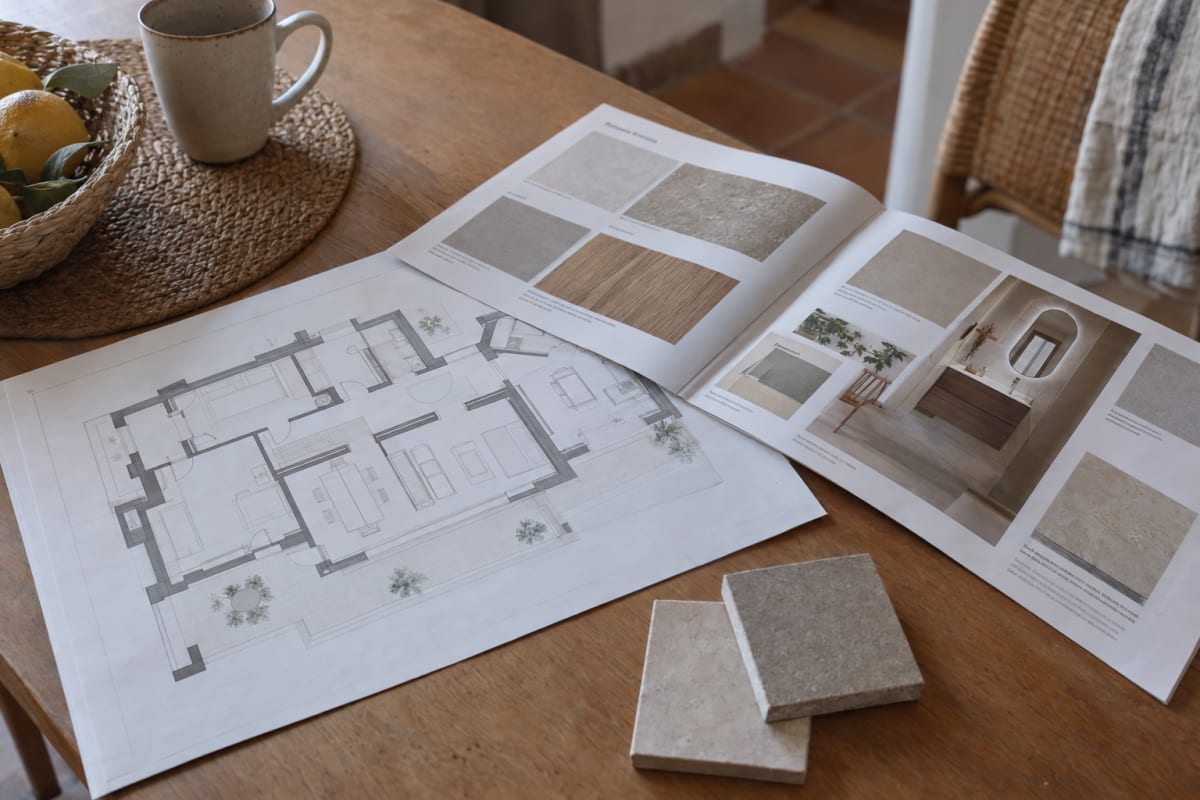
Your first decision is exactly what you are reserving and on what terms. The reservation agreement identifies the home, any garage or storage room, the price, the reservation payment and the account receiving it. It also sets out the conditions for returning the money or applying penalties. The reservation amount is agreed between you and the seller and is deducted from the total purchase price. At this point, the plans need to become something you can read as your future home. For a planned property or one under construction in Andalucía, you can request the free Documento Informativo Abreviado, usually shortened to DIA. It brings together plans, usable floor area, materials, installations and descriptions of communal areas. Its proposed delivery timing covers the home, its annexes and communal or accessory elements, and may be expressed as a quarter and year. Before committing, read the reservation terms alongside that information and the proposed private purchase contract. Signing the purchase contract binds both you and the seller. Its contents should include the property and annexes, price, payment arrangements, advance payments, delivery timing and arrangements for signing the public deed. This is where the purchase becomes more than a preferred floor plan: your obligations and the developer’s obligations are put into writing.
During construction: payments, visits and choices
Once you have committed, your attention shifts to the work and the decisions still ahead. For a home described as under construction, work has begun with the appropriate building licence, and the DIA must identify the stage reached. That gives you a documented starting point for following progress. The payment arrangements in your contract also become part of the wait. Advance stage payments are protected by law, with the developer’s obligation to guarantee repayment applying from the granting of the building licence. If the developer offers a choice of finishes, ask for the available options, any price difference, the deadline for deciding and a written record of your selection. The useful distinction is between the materials and installations already specified for your home and anything you are being invited to change. Visits are another point to settle with the developer, particularly if you are planning travel from Scandinavia around one. There is no general, specific right to compel a seller to provide a physical inspection before purchase, so agree access before arranging a trip. A visit, when available, lets you connect the plans with the home taking shape.
Completion: finished work, occupation paperwork and snagging
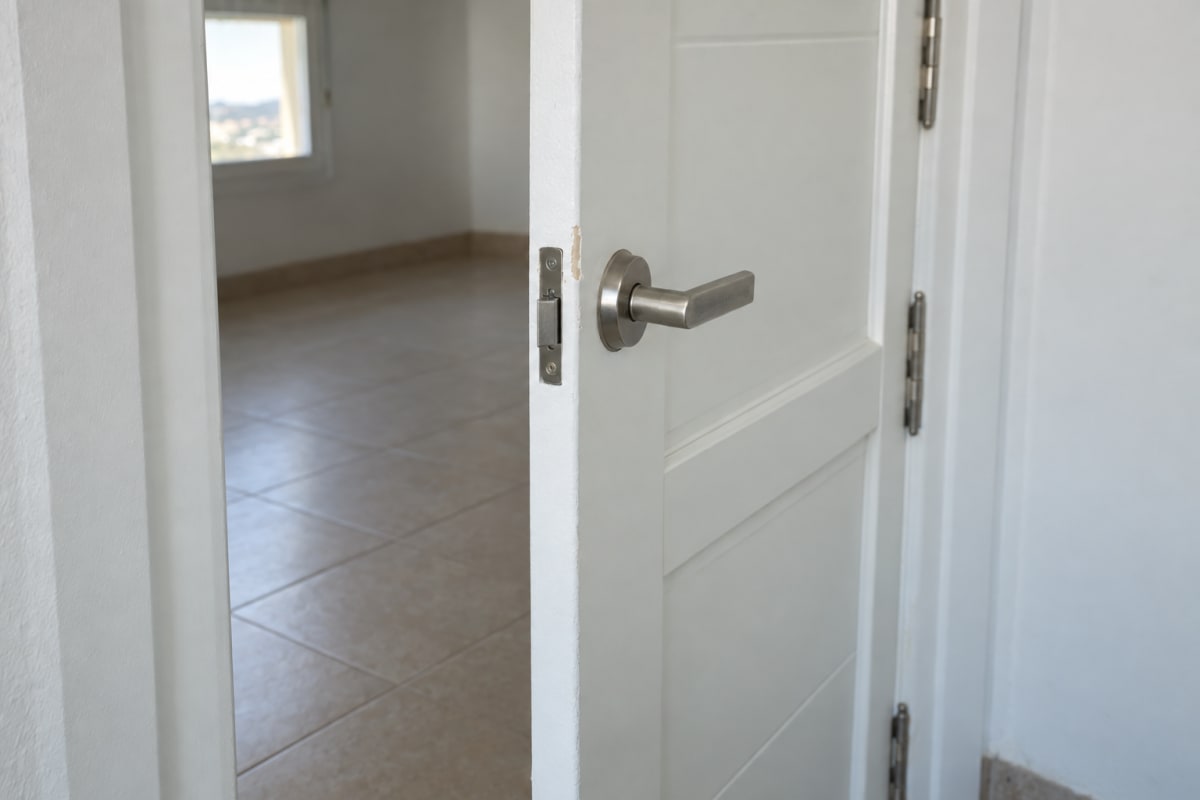
As construction draws to a close, arrange how you will review the finished home and receive its completion documents. The builder’s formal delivery of the work to the developer is a separate event from your purchase. The construction acceptance record includes the final works certificate, the certificado final de obras. This is one of the documents that marks the transition from a building project to a completed building. You will also encounter the term first occupation licence, or licencia de primera ocupación. The applicable procedure depends on the municipality where you are buying. In Málaga city, completed licensed new construction uses a responsible declaration called the DR1OCU, submitted before occupation begins. Its supporting documents include the endorsed final works certificate and evidence that installations have been commissioned. Occupation can begin following submission without a prior municipal resolution, while remaining subject to municipal verification and inspection. The snagging visit is your opportunity to look closely at the home’s condition. Record observations clearly: damaged glazing, paint or floors, missing handles or ventilation grilles, and doors, windows or blinds that do not move correctly. Report those observations promptly. A short inspection period set by the developer does not remove your statutory rights to have defects remedied.
At the notary, then into your first weeks
For the signing appointment, have the agreed payment method and handover arrangements settled. The notary checks matters including the seller’s ownership, registered mortgages and restrictions on selling. At the appointment, identities are checked, the purchase deed is read, and you are asked whether you agree with its contents before everyone signs. Completion payment can be made by cheque or bank transfer. Keys are usually handed over then, unless another time has been agreed. You receive a copia simple on signing day, with an authorised copy following later; the original deed stays with the notary. The copia simple can help you arrange electricity, water or gas contracts and deal with the owners’ community. Key handover should also be documented, with the home’s use and maintenance information supplied beforehand or alongside the keys. The Libro del Edificio brings together the completed project and approved changes, the construction acceptance record, the people and companies involved, and maintenance instructions. The building also needs the ten-year structural cover required for commercially developed residential buildings. Often called ten-year structural insurance, the permitted protection can take the form of damage insurance, surety insurance or a financial guarantee. It covers structural defects that directly compromise the building’s strength and stability. The statutory liability periods run from construction acceptance without reservations, or from the rectification of those reservations, rather than from your key-handover date. Your first weeks bring the practical work of making the home function. Arrange utility contracts promptly and notify the owners’ community of your purchase with a copy of the deed. Once water and electricity are operating, work through the taps, stopcocks, toilet cisterns, sockets and switches, looking for leaks or faults and reporting observations promptly. Before you reach this stage, a useful next step is to ask the developer for the remaining milestones for your particular home, from outstanding choices to the proposed handover arrangements.



Stay informed on the Costa del Sol
Subscribe to get the latest posts sent to your email
By subscribing, you agree to receive Solkysten’s newsletter by email. You can unsubscribe at any time using the link in each email. How we use your information